1. When is the best time to visit Makarska?
From June to August, the summer months bring the most sunshine, warm seas, and a vibrant, lively atmosphere. However, for those seeking to dodge the crowds and enjoy milder weather, May, September, and early October are perfect times to visit. In winter, Makarska is quieter, yet it still provides stunning scenery and great opportunities for walks or hikes.
2. What is Makarska known for?
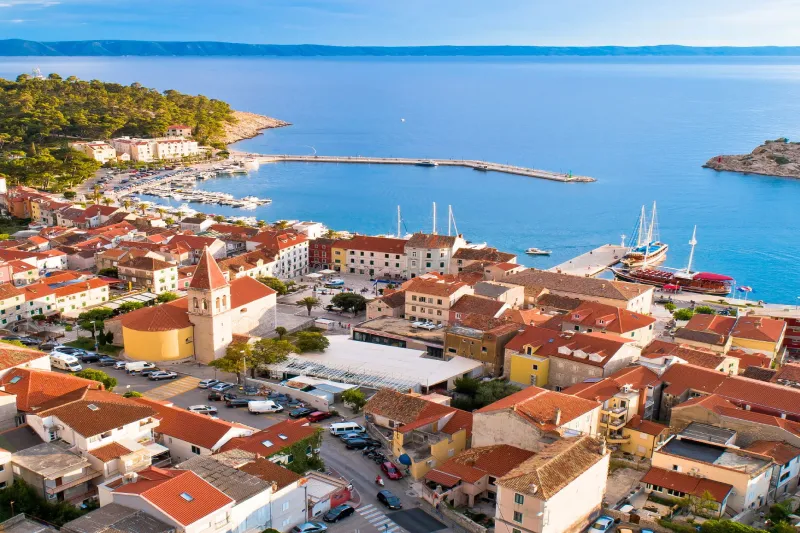
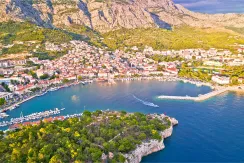
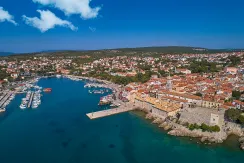
Makarska is located between Biokovo mountain and the Adriatic Sea and is the center of the famous Makarska Riviera. The town is known for its pebble beaches, long seaside promenades, picturesque old town, Baroque churches and diverse nightlife.
3. How to get to Makarska?
Makarska is easily accessible via the A1 motorway, connecting inland Croatia with the coast. The nearest airport is in Split (about 1.5 hours by car), and another in Dubrovnik (about 2.5 hours by car). There are also boat lines connecting Makarska with Brač, Split and Dubrovnik during the season.
4. Which beaches to visit in Makarska?
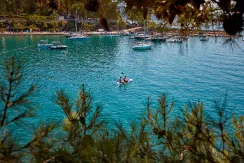
The most famous is the city beach – long and pebbly, with natural shade from pine trees, numerous amenities and nightlife. Nugal beach in the Osejava forest park is popular among naturists and those seeking tranquility. Cvitacka is suitable for guests with dogs, while Punta Rata (Brela) and Nikolina (Baška Voda) are ideal for families and water activities. Velika Duba is a quiet, natural beach located in a cove.
5. Does Makarska have sandy beaches?
No, beaches in Makarska and surroundings are mostly pebbly. However, fine gravel in some areas gives a similar feeling to sand.
6. What is the weather like in Makarska?
Makarska has a typical Mediterranean climate – hot and dry summers with temperatures around 30 °C, and the sea in summer reaches a pleasant 25 °C. Winters are mild, with temperatures from 10 to 15 °C.
7. What to do in Makarska?
- Walk along the promenade and the old town: Cafés, restaurants, and cultural landmarks.
- Trip to Biokovo and Skywalk: Spectacular view from over 1100 meters above sea level.
- Nature parks: Osejava and St. Peter are ideal for walks and relaxation.
- Nightlife: Clubs, bars, and traditional fishing evenings with local food and music.
8. What are the available options for day trips?
Makarska is an excellent base for visits to Split, Dubrovnik, Omiš and the islands of Brač and Hvar. Ferries operate to Bol and Sumartin. Nearby is the Cetina River, ideal for rafting, and Biokovo Nature Park for nature lovers.
9. Is there a pet-friendly beach?
Yes, Cvitacka beach is officially designated as pet-friendly and is located a few kilometers from the city center.
10. Is Makarska a good destination for families?
Absolutely. Numerous shallow beaches, parks, children’s facilities and organized activities make Makarska suitable for a family holiday.
11. What is the nightlife like in Makarska?
During the summer months, the atmosphere becomes vibrant and energetic. The coast is dotted with numerous bars and clubs, offering a lively scene. Popular attractions include themed events such as fishing nights featuring local delicacies, live music and open-air dancing.
12. Do I need a car to get around Makarska?
If you stay close to the center, a car isn't needed since everything is within walking distance. However, for exploring the Riviera and taking day trips, having a car can be very convenient. During the peak season, finding free parking in the city center can be quite challenging.
13. Are nudist practices allowed?
Nugal beach is popular among naturists, although it is not officially designated as nudist. Nudism is uncommon on other beaches.
14. What are the recommended routes to reach Makarska?
The fastest way to reach Makarska is via the A1 motorway from Zagreb or Split. From Split, you can choose between the fast highway or a scenic coastal road with panoramic views.
15. Are there ferry lines to the islands?
Yes, Makarska has seasonal ferry lines that go to Sumartin on Brač. Also, boat trips to Hvar, Split and Dubrovnik can be arranged from the port.